How to Order Touch Up Paint by Code, Step by Step
How to order touch up paint by code: find the code, confirm year and model, handle mismatches in a seller's list, and pick the right layers the first time.

Here is how to order touch up paint by code: read the paint code from the label on your vehicle, enter the make, model year and model the seller asks for, then choose your code from the list or type it in directly. Check that the color name the seller returns makes sense for your car, and order every layer your color needs, usually a base color plus clear coat, and sometimes a mid-coat. If the seller's list for your year and model does not show your code, trust the label on the car and investigate before you buy anything.
The steps are simple. The trouble starts when the year, the model and the code on the label do not agree with what a seller's website expects. This guide covers both. For a worked example of codes against one model year, see our 2023 Jeep Wrangler color chart.


As an Amazon Associate we earn from qualifying purchases.
Step 1: Get the code from the vehicle, not from memory
The code is printed on a label on the vehicle. On most modern cars it is in the driver's door jamb, and on some it is under the hood, in the trunk or in the glove box. The field may be labeled paint, color, EXT PNT or something similar.
Ford is a useful example of how a manufacturer handles this. Its owner support page, What is the touch-up paint number for my Ford? (read September 27, 2026), says the code is on the door jamb label, "labeled as EXT PNT followed by two characters," with more characters on some older vehicles. It then directs owners to a Motorcraft reference chart where the code leads to the color name and the Motorcraft service part number for touch-up paint.
That is the manufacturer's own ordering path, and it starts from the code.
If you cannot tell which line on the label is the paint code, our guide to door jamb sticker meaning reads the label line by line. If the label is gone or unreadable, a dealer parts department can usually confirm the factory color from the VIN, which is safer than relying on a free online lookup.
Step 2: Confirm the year and model you will enter
Most touch-up sellers organize their color lists by make, year and model. That structure exists because manufacturers reuse, rename and retire colors over time, so the same code does not always mean the same color across every year.
Two details trip people up:
- Model year, not purchase year or build month. Sellers want the model year. It is not always the calendar year the car was built or sold. Our article on model year vs build date explains the difference and why a car built late in one calendar year can belong to the next model year.
- The exact model name. A seller may list closely related models separately. Choose the one that matches your vehicle's badge and registration.
If you are unsure of the model year, the VIN encodes it. Our character-by-character VIN decode shows which position holds it.


As an Amazon Associate we earn from qualifying purchases.
Step 3: Find your code in the seller's list, or bypass the list
Once you pick make, year and model, the seller shows the colors it has on file for that vehicle. Find the entry whose code matches your label exactly.
Some sellers also let you skip the list. AutomotiveTouchup, a touch-up paint seller, says on its touch-up paint page (read September 27, 2026) that customers can "Bypass the Color Selector Tool" and "enter your vehicle's color code" directly. That is useful when you are confident of the code but the year or model menus do not quite fit your vehicle.
Either way, the code is the instruction. Pick by code, not by the swatch on screen and not by the name.
Step 4: Check the name that comes back
After you pick the code, look at the color name the seller attaches to it. You are not using the name to choose; you are using it to catch errors.
- If the name is roughly what you expected, carry on.
- If it names a completely different color, such as a red for your silver car, recheck the code on the label. You may have copied the interior trim code, or misread a character.
- If the name is different but plausible, the manufacturer may have renamed the color. A code match on the label still wins.
Why names are unreliable as identifiers is covered in our article on paint code vs color name.
When the year, model and code disagree
This is the part most ordering guides skip. Here are the common mismatches and what each one usually means.
| What happens | Likely reason | What to do |
|---|---|---|
| Your code is not in the list for your year and model | Wrong model year selected, a late or early production change, or a gap in the seller's data | Recheck the model year from the VIN, try the code entry option, or contact the seller with the code and VIN |
| Your code appears under a different name | The color was renamed, or the seller uses an alternative name | Trust the code on the label |
| Two entries share your code | The seller lists variants, or a separate code for a two-tone or different stage | Ask the seller which one applies, giving your VIN and build date |
| An online VIN lookup gives a different code from the label | The lookup inferred color from what was offered, not the build record | Trust the label, or confirm with a dealer parts department |
| The label shows two color codes | Two-tone paint, or a paint code next to a trim code | Identify each field before ordering |
If the label is original and readable, it is the best evidence you have about the factory color. When in doubt, a dealer parts department can usually confirm the factory color from the VIN. Our guide on how to get the original window sticker by VIN gives you another document to check against.


As an Amazon Associate we earn from qualifying purchases.
Step 5: Order every layer your color needs
A touch-up bottle of color alone is often not the whole finish. What you need depends on how the color was built at the factory:
- Single-stage colors combine color and gloss in one product. Some older vehicles and some solid work-vehicle colors use this.
- Two-stage colors (base coat and clear coat) are the most common on modern cars. You need the color and a clear coat. Without clear, the repair usually looks dull next to the surrounding paint.
- Three-stage colors (tri-coat) have a ground coat, a translucent mid-coat and a clear coat. They need a multi-part kit, and a single bottle will not reproduce them.
Sellers usually show which system a code uses. If yours does not, ask before ordering. Primer is a separate product, typically needed only where the damage has gone through to bare metal or plastic.
Step 6: Choose the format for the job
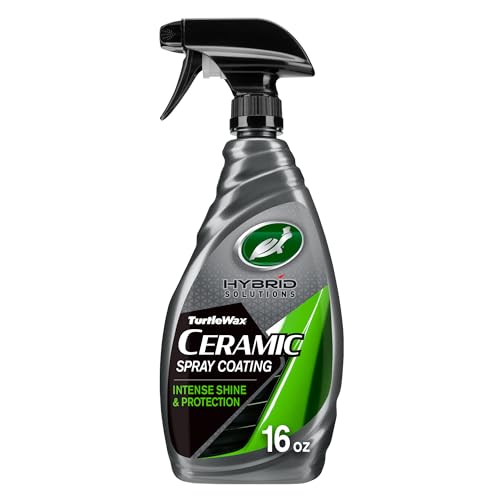
Sellers offer the same color in several formats. AutomotiveTouchup's page, for example, lists paint pens, bottles, aerosol cans and ready-to-spray pints, quarts and gallons. The choice is about the size of the damage and how you will apply it:
- Pens and brush bottles suit stone chips and small nicks.
- Aerosols suit small areas you can mask and spray, such as a mirror cap or a small scuff.
- Larger ready-to-spray quantities are intended for spray guns and bigger repairs, which is realistically body shop work for most people.
We do not rank sellers or products here. Choose based on the format you need and whether the seller lists your exact code.


As an Amazon Associate we earn from qualifying purchases.
Step 7: Test before it touches the car
Even with the right code, the result on your car can differ, because of paint variants, fading, previous repairs and application. Paint makers build testing into their own procedures. PPG's PD-0632: Creating Sprayout Card (read September 27, 2026) is the procedure professional painters use to make test cards, and it says cards should be evaluated at three viewing angles, called face, flash and flop.
For touch-up, the home version is simple: paint a small test patch on a card or a piece of scrap, let it dry, apply clear if your color uses it, then hold it against the car in daylight and look from more than one angle. If it is clearly wrong, stop and recheck the code before the paint is on your panel.
How to order touch up paint by code: a checklist before you pay
- Code copied from the vehicle label, character by character.
- Model year confirmed from the VIN, not the purchase date.
- Code matched in the seller's list, or entered directly.
- Returned color name sanity-checked.
- Every layer ordered: base, mid-coat if needed, clear, and primer if bare material is showing.
- Format suits the size of the damage.
- Test patch planned before the first dab on the car.


As an Amazon Associate we earn from qualifying purchases.
Frequently asked questions
Can I order touch-up paint with just the paint code?
Often, yes. Some sellers let you enter the code directly instead of choosing from a year and model list. Most still ask for make, and many ask for year and model, because the same code can mean different colors across years or brands. Paint makers publish their own charts as well; our Dupli-Color paint chart PDF guide shows how one brand turns a paint code into a part number.
What if my paint code is not listed for my car?
Recheck the model year from the VIN, then try the seller's direct code entry or contact the seller with your code and VIN. A dealer parts department can also confirm the factory color.
Do I need clear coat with touch-up paint?
On a two-stage or three-stage color, yes. The color coat alone is not glossy and usually looks dull without clear over it. Single-stage colors do not use a separate clear coat.
Should I trust a VIN paint code lookup over the door jamb label?
If the label is original and readable, trust the label. Some online lookups infer color from what was offered for that model rather than reading the car's build record.
Why does my correctly ordered touch-up paint still look different?
The code identifies the factory color, not your car's current shade. Variants, fading, earlier repairs and application technique can all make correctly coded paint look slightly off.